Texas Cowboy: Capturing the Spirit of the Frontier in Your Designs
When you think of the Wild West, certain images immediately spring to mind: dusty trails, swinging saloon doors, bold wanted posters, and the unmistakable ruggedness of a cowboy's life. Capturing that specific, powerful aesthetic in a modern design project requires more than just a picture of a horse or a cactus. It demands typography that feels authentic, weathered, and full of character. This is precisely where the Texas Cowboy font steps in, offering a direct link to that classic, frontier spirit.
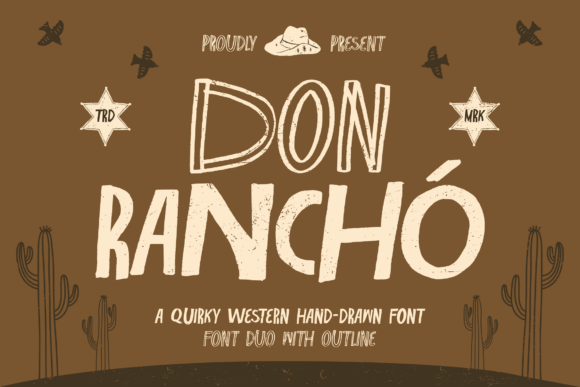
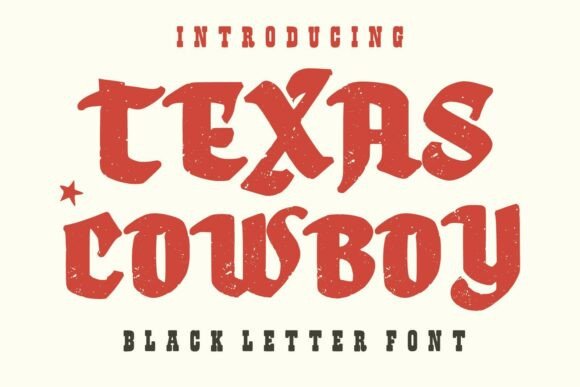
At its core, Texas Cowboy is a bold vintage blackletter display font. Don't let the "blackletter" term intimidate you; think of it as a style with deep roots in historical signage and manuscripts, here reinterpreted with a distinctly Western flair. Inspired by old saloon signage and classic Western typography, it’s designed to be a showstopper. The font features rough, textured details and strong, decorative strokes that make it look like it was carved from wood or painted by a skilled sign maker a century ago. It’s not trying to be sleek or minimalist. Its job is to be loud, proud, and unmistakably Western.
Where the Frontier Meets the Canvas: Real-World Applications
The true value of a font like Texas Cowboy lies in its ability to instantly set a scene. For graphic designers, this is a powerful tool for evoking a specific mood without saying a word. Imagine you're creating a poster for a local rodeo, a county fair, or a country music festival. Using a standard, clean font would feel out of place. Texas Cowboy, with its bold presence and vintage texture, immediately communicates the event's theme and energy. It tells the audience what to expect before they even read the details.
This extends far beyond event posters. Consider the world of branding and product packaging. A craft brewery launching a new IPA called "Frontier Gold" or a small-batch hot sauce company with a "Smoky Mesquite" flavor could use this font to create a label that feels authentic and tells a story. It suggests tradition, bold flavors, and a handcrafted quality. The same principle applies to apparel design. A t-shirt or hoodie featuring a powerful phrase like "Ride or Die" or "Desert Born" in Texas Cowboy font isn't just clothing; it's a statement piece that carries a distinct personality.
Beyond the Saloon Doors: Unexpected Uses for a Western Font
While its roots are firmly planted in the Old West, the applications for Texas Cowboy can be surprisingly versatile. Think about the food and hospitality industry. A steakhouse, a BBQ joint, or a rustic-themed bar could use this font for their menu headers, signage, or even branded merchandise like pint glasses and aprons. It helps build an immersive atmosphere that enhances the customer experience, making a meal feel like more than just food—it becomes a part of a theme.
Digital creators and social media managers can also harness its power. If you're running a blog or an Instagram account focused on topics like vintage Americana, men's grooming, leatherworking, or off-grid living, Texas Cowboy can be used for impactful headlines or quote graphics. It cuts through the noise of a crowded social feed, grabbing attention with its unique, textured appearance. It’s a fantastic way to establish a strong, recognizable brand identity in a niche market.
Making It Work: Practical Considerations for Designers
Using a powerful display font like Texas Cowboy effectively requires a bit of strategy. Its greatest strength—its bold, decorative nature—is also something to be mindful of. Because of its intricate details and strong texture, it is best suited for headlines, logos, and short, impactful phrases. Using it for long paragraphs of body text would be a mistake, as it would quickly become difficult to read and lose its visual punch. Its purpose is to make a statement, not to tell a long story.
Pairing is another key consideration. A font this characterful needs a simpler partner to create balance. Imagine a vintage poster where the main title is in Texas Cowboy, but the date, time, and location details are in a clean, simple sans-serif or a classic serif font. This contrast allows the display font to shine without overwhelming the viewer, ensuring the overall design is both striking and functional. The rough, textured details that give it character also mean it works best at larger sizes where those details can be appreciated.
Choosing Your Weapon: When is Texas Cowboy the Right Choice?
Deciding whether Texas Cowboy is the right font for your project comes down to the story you want to tell. If your goal is to evoke feelings of tradition, ruggedness, authenticity, and a touch of nostalgia, it’s an excellent candidate. It’s for projects that aren't afraid to be bold and have a strong point of view. The font’s classic blackletter structure grounds it in history, while its Western styling makes it feel distinctly American.
However, it’s important to be honest about its limitations. If you're designing for a modern tech startup, a minimalist fashion brand, or a corporate financial report, this font is almost certainly the wrong choice. Its personality is too strong and too specific. It would clash with the intended message and create confusion. The key is to match the tool to the task. Texas Cowboy is a specialty tool, perfect for a specific job: bringing the bold, uncompromising spirit of the frontier to life in your work.
Ultimately, typography is one of the most powerful tools in a designer's arsenal for conveying emotion and context. Fonts like Texas Cowboy are more than just letters; they are carriers of history, culture, and atmosphere. By understanding its strengths and applying it thoughtfully, you can create designs that don’t just look good, but feel authentic and tell a compelling story from the very first glance. It’s a chance to give your project a rugged cowboy personality that’s impossible to ignore.