Daylight: A Practical Guide to a Distinctive Script Font
In the vast world of digital typography, finding a font that balances personality with professionalism is a common challenge for designers and creatives. Daylight enters this space as a script font that aims to offer a soft, organic feel without sacrificing legibility or versatility. Its design philosophy centers on creating a natural, flowing aesthetic that feels both contemporary and timeless. This article provides a balanced look at Daylight, exploring its characteristics, ideal applications, and how it fits into the broader landscape of available font choices.
Understanding the Core Design of Daylight
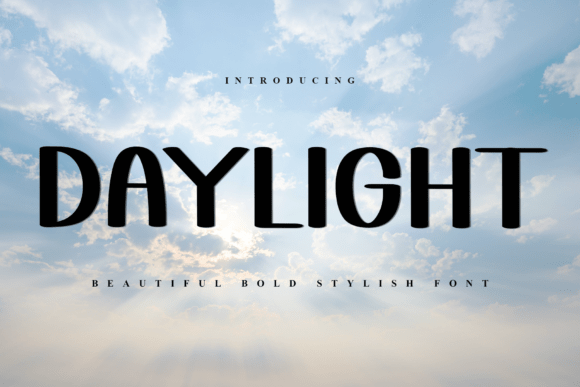
Daylight is characterized by its smooth, rounded strokes and a gentle, handwritten quality. Unlike more rigid or formal script fonts, it avoids sharp, angular edges, opting instead for a softer approach that feels approachable and warm. The letterforms maintain a consistent baseline and x-height, which is crucial for ensuring readability across various sizes—a common pitfall with many decorative scripts. This careful construction allows Daylight to function effectively in both short headlines and slightly longer display text, a versatility not always found in its category.
The font's "unique touch" comes from its subtle variations in stroke width and its slightly imperfect, humanized curves. These details prevent it from looking overly mechanical or generic, giving it a distinctive character that can add a personal, crafted feel to a project. It’s this balance between a structured, usable font and one with a clear artistic voice that defines Daylight's primary appeal.
Comparing Daylight to Other Font Categories
When evaluating Daylight, it’s helpful to see where it sits relative to other common font styles. Understanding these differences helps in making an informed decision about its suitability for a specific task.
Daylight vs. Formal Script Fonts
Formal scripts, often inspired by historical calligraphy like Copperplate, are characterized by high contrast between thick and thin strokes, elaborate swashes, and a sense of elegance suited for luxury branding, wedding invitations, and high-end certificates. Daylight, in contrast, is decidedly more casual and modern. Its lower contrast and simpler letterforms make it feel less ceremonial and more accessible. The trade-off is that Daylight may not convey the same level of traditional sophistication, but it gains a broader applicability for everyday projects where approachability is key.
Daylight vs. Bold or Display Sans-Serifs
When a design calls for strong visual impact and high legibility at a glance, bold sans-serif fonts are often the go-to choice. These are the workhorses of UI design, posters, and bold headlines. Daylight serves a different purpose. It doesn't aim for stark, universal clarity but rather for emotional resonance and stylistic flair. Using Daylight for body text would be impractical, but it can complement a clean sans-serif in a layout, providing a contrast in texture and mood. The decision here is between pure function (sans-serif) and expressive personality (Daylight).
Daylight vs. Other Casual Handwritten Fonts
This is perhaps the most relevant comparison. The market is saturated with handwritten fonts. What sets Daylight apart is its specific blend of softness and structure. Some casual scripts can be overly messy or chaotic, limiting their use to very informal contexts. Others might be too neat, losing the authentic handwritten feel. Daylight occupies a middle ground. Its letters are distinct enough to avoid blending together, yet they retain a cohesive, flowing rhythm. This makes it a strong contender for projects that need a personal touch without sacrificing a degree of polish.
Practical Strengths and Ideal Use Cases
Daylight's design makes it particularly well-suited for a range of creative applications where its strengths can shine.
- Branding for Small Businesses & Creatives: For bakeries, boutique shops, lifestyle blogs, or artisan product labels, Daylight can help establish a friendly, handcrafted brand identity. It works well for logos, packaging text, and social media graphics where conveying authenticity is important.
- Digital and Print Invitations: Its soft aesthetic makes it a natural fit for event invitations, greeting cards, and digital announcements for birthdays, baby showers, or casual gatherings. It sets a welcoming tone without being overly formal.
- Website Headers and Pull Quotes: Used sparingly, Daylight can add visual interest and break up monotony in web design. A header set in Daylight against a clean background can draw the eye and introduce a section with personality. Similarly, it can make pull quotes or testimonials stand out.
- Craft Projects and DIY Design: Its compatibility with various platforms, including open-source software, makes it accessible for hobbyists and crafters working on projects like custom t-shirts, mugs, or scrapbooking elements.
Limitations and When to Consider Alternatives
No font is perfect for every situation, and Daylight has inherent limitations based on its design. Recognizing these is as important as understanding its benefits.
The most significant limitation is readability at small sizes. Like most script fonts, Daylight's connected or flowing letterforms can become difficult to decipher when used for long paragraphs of text or in very small point sizes, especially on low-resolution screens. For body copy, technical documents, or any context where rapid, effortless reading is paramount, a clean sans-serif or serif font is a necessary alternative.
Furthermore, its soft, casual style may not align with every brand's voice. A law firm, a financial institution, or a tech company aiming for a cutting-edge, minimalist image would likely find Daylight too informal. In such cases, fonts that convey stability, innovation, or seriousness would be more appropriate.
It's also worth considering overuse. Because Daylight has a distinctive character, using it for all text elements in a design can quickly become overwhelming and reduce its impact. It is most effective as an accent font, paired with a more neutral companion typeface for supporting text.
Making the Decision: Is Daylight Right for Your Project?
Choosing a font is ultimately a decision about communication and mood. Ask yourself these questions to determine if Daylight is a good fit:
- What is the primary goal of the text? If it's to convey information clearly and efficiently (like instructions or a report), choose another font. If it's to evoke a feeling of warmth, creativity, or personal connection, Daylight is a strong candidate.
- Who is the audience? Consider their expectations. An audience expecting professionalism and authority might not respond as well to a casual script as an audience seeking a friendly, relatable experience.
- How will it be used technically? Will the text be large or small? On screen or in print? Ensure the application supports the font format and test it at the intended size to confirm legibility.
- What other design elements are in play? Daylight pairs best with simple, geometric sans-serifs (like Montserrat or Open Sans) or traditional serifs. Avoid pairing it with other highly decorative fonts, which can create visual clutter.
In conclusion, Daylight is a thoughtfully designed script font that carves out a specific niche. It offers a blend of soft aesthetics and practical construction that makes it a valuable tool for designers and creators working on projects that benefit from a personal, approachable, and distinctive typographic voice. By understanding its strengths, its natural boundaries, and how it compares to other options, you can make a strategic choice that enhances, rather than detracts from, your overall design communication.