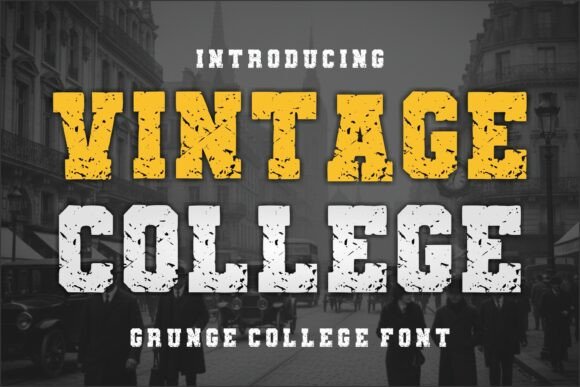
Deciphering the Vintage College Font: Anatomy of a Modern Classic
In the landscape of digital typography, few styles evoke as strong an emotional response as the classic varsity letter. It is a visual shorthand for teamwork, tradition, and the golden era of campus life. However, as design trends evolve, the pristine, blocky letters of the past often feel too rigid for contemporary audiences. Enter the Vintage College Grunge Font. This typeface represents a sophisticated evolution of the classic collegiate style, blending the structural integrity of traditional university lettering with the textured, weathered aesthetics of the grunge movement. It is not merely a font; it is a design tool that bridges the gap between nostalgia and modern edge.
The Architectural Foundation: Anatomy of the Typeface
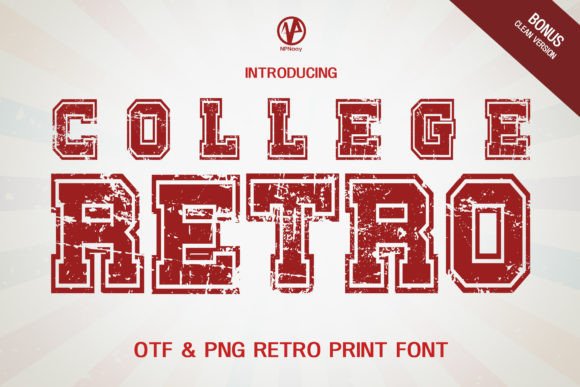
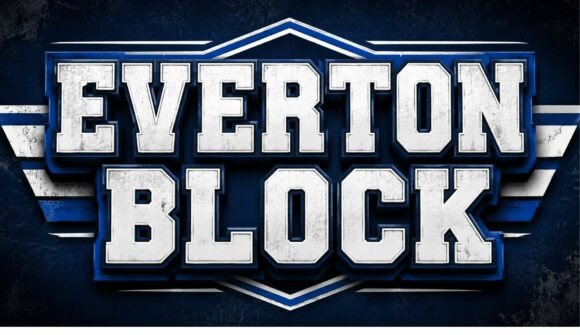
To understand the utility of the Vintage College style, one must first examine its structural components. At its core, this font family relies on high-contrast strokes—thick verticals paired with thin horizontals—reminiscent of the Didone typography popular in the 19th and early 20th centuries. These letterforms are constructed with a geometric precision that commands attention. The serifs are usually sturdy and slab-like, designed to withstand the wear and tear of athletic jerseys and heavy signage.
However, the defining characteristic of this specific iteration is the "grunge" overlay. Unlike a clean digital vector, the edges of these letters are distressed. This distressing is not random; it is curated to mimic the natural degradation of ink on paper or the fading of paint on a gymnasium floor. This texture adds a layer of authenticity that sterile, modern fonts often lack. It suggests a history behind the design, implying that the brand or institution has a legacy worth preserving.
Visual Psychology and Brand Identity
The choice of typography dictates the psychological contract between a brand and its audience. When a designer selects a Vintage College Grunge Font, they are tapping into specific psychological triggers. The bold, uppercase nature of the typeface conveys authority and confidence. It signals stability and resilience—traits desirable in educational institutions and sports franchises alike.
Simultaneously, the grunge elements introduce a sense of rebellion and non-conformity. It softens the authoritarian edge of the block letters, making the design feel more approachable and human. This duality makes the font incredibly versatile. It can represent the discipline of a football team while simultaneously capturing the youthful energy of the student body. For businesses, particularly in the apparel sector, this font creates an instant connection with consumers who value "heritage" and "authenticity" over mass-produced perfection.
Strategic Application Across Industries
The practical application of the Vintage College aesthetic extends far beyond the campus bookstore. Its versatility allows it to function effectively across various media, provided the designer understands the context of the medium.
Apparel and Merchandise
The most obvious and perhaps most effective application is in apparel design. The distressed nature of the font is perfectly suited for screen printing and Direct-to-Garment (DTG) printing. Clean, solid fonts can sometimes look artificial on fabric, especially on textured materials like cotton or canvas. The grunge texture of the typeface blends seamlessly with the weave of the fabric, creating a "lived-in" look that is highly sought after in streetwear. It is ideal for varsity jackets, hoodies, and vintage-style t-shirts.
Digital Media and Web Design
In the digital realm, this font serves as a powerful tool for headers and hero images. Because of its bold weight, it remains legible even at smaller sizes on mobile devices, though it is best utilized for headlines rather than body copy. Websites focusing on sports news, retro gaming, or indie music blogs can use this typography to establish an immediate mood. It breaks the monotony of standard sans-serif web layouts, offering a tactile experience on a flat screen.
Environmental and Print Design
For physical signage, such as banners for school fairs, menu boards for retro-themed diners, or logos for craft breweries, the Vintage College Grunge Font excels. In print, the distressed details catch the light and ink differently than smooth vectors, adding depth to the final product. It is particularly effective in monochromatic designs where the texture of the font provides the necessary visual interest in the absence of color.
Technical Considerations for Implementation
While the aesthetic appeal is high, implementing a distressed font requires a different approach than working with standard system fonts. Designers must consider the "noise" inherent in the letterforms.
- Legibility vs. Style: While the grunge effect adds character, excessive distressing can hinder legibility, particularly at small sizes. It is crucial to test the font at the intended output size. For body text, this style is generally unsuitable; it is reserved for display purposes.
- Color and Contrast: High contrast is often necessary. Because the font features broken edges, placing it on a busy background can result in a visual mess. It performs best on solid, muted backgrounds or simple textures that do not compete with the font's internal texture.
- Kerning and Spacing: Distressed fonts often require manual kerning adjustments. The irregular edges can create optical illusions regarding spacing. A designer must visually balance the gaps between letters rather than relying solely on the font's built-in metrics.
The Cultural Resonance of Retro Aesthetics
The resurgence of the Vintage College style is part of a broader cultural trend known as "Retro-Futurism" or simply the nostalgia cycle. In an era dominated by sleek, minimalistic user interfaces and AI-generated perfection, there is a growing hunger for imperfection. The grunge texture represents the "human touch"—the idea that something was made by hand, or at least designed with an appreciation for the handmade.
This font taps into the collective memory of Saturday morning cartoons, classic rock album covers, and golden-age cinema. By utilizing this typeface, creators are not just choosing a style; they are curating a mood. They are signaling to their audience that their project values history and substance. For educators and institutions, using a modern take on the vintage style acknowledges tradition while embracing a contemporary edge that appeals to younger generations.
Workflow Integration for Creators
For graphic designers and hobbyists looking to incorporate the Vintage College Grunge Font into their workflow, a structured approach is recommended. First, establish the hierarchy of the design. Use the font exclusively for the primary focal point—usually the main headline or logo. Pair it with a clean, sans-serif font for the body text to ensure readability. The contrast between a rugged, textured headline and a clean, modern body text creates a balanced composition.
Second, consider the medium. If the final output is embroidery, ensure the distressed details are simplified enough for the needle to navigate. If the output is a large-format banner, the fine details of the grunge texture will become a feature, adding realism to the massive scale. Finally, experiment with layering. Placing the text over a subtle paper texture or a halftone dot pattern can enhance the vintage authenticity, creating a cohesive visual narrative rather than a simple text overlay.
The Vintage College