Hopefull Valentine: Evaluating This Elegant Handwritten Script Font
Understanding the Aesthetic and Design
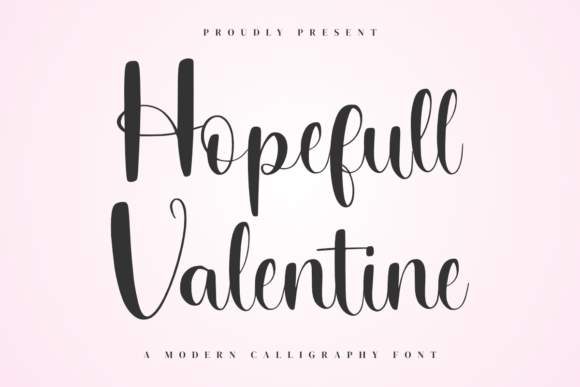
Hopefull Valentine is a typeface designed to embody elegance and sophistication through a fancy handwritten script style. The design is characterized by flowing, interconnected letterforms that mimic the fluidity of natural calligraphy. It is specifically inspired by the typography found in high-end wedding invitations and luxury beauty posters. The visual tone of the font suggests a "spoiled" or pampered aesthetic, meaning it prioritizes decorative beauty over strict legibility. For users seeking a typeface that conveys romance, luxury, and femininity, Hopefull Valentine offers a distinct visual identity that stands apart from standard sans-serif or serif fonts.
Primary Use Cases and Applications
When evaluating whether Hopefull Valentine fits a project, it is helpful to categorize its potential applications. The font is versatile across both digital and physical mediums, though its effectiveness depends heavily on the context of the design.
Event Stationery and Invitations
Given its inspiration, the most natural fit for this font is wedding stationery. It is well-suited for save-the-dates, wedding invitations, and event signage where a romantic atmosphere is required. Beyond weddings, it is appropriate for Valentine’s Day cards and anniversary communications.
Crafting and Physical Products
The font is widely applicable in the crafting community. It is designed to work well with cutting machines and textile production methods. Common applications include:
- Apparel: Custom t-shirts, hoodies, and tote bags.
- Drinkware: Mugs and tumblers via sublimation or vinyl application.
- Paper Crafts: Stickers, labels, and scrapbooking elements.
- Home Decor: Wall art, quotes, and embroidery patterns.
Branding and Commercial Use
For small business branding, Hopefull Valentine is particularly relevant for industries centered on beauty, fashion, and lifestyle. It can be effective for logos, business cards, and packaging in sectors such as beauty salons, boutique clothing stores, and jewelry brands. Additionally, its legibility at larger sizes makes it a candidate for children’s book titles or teacher-focused educational materials requiring a friendly, approachable look.
Evaluating the Benefits and Tradeoffs
Selecting a font involves balancing aesthetic desires with functional requirements. While Hopefull Valentine offers significant stylistic advantages, there are specific tradeoffs to consider.
The Advantages
The primary benefit of Hopefull Valentine is its high level of ornamentation. It provides an immediate sense of luxury and care, which can elevate the perceived value of a product or invitation. Its specialized design eliminates the need for additional decorative elements, often allowing the typography itself to serve as the focal point of the design.
The Considerations
The main tradeoff with heavily stylized script fonts is legibility. While Hopefull Valentine is designed to be readable, the cursive nature of the letters can become difficult to decipher at small sizes or in dense blocks of text. It is generally not recommended for body copy or long paragraphs. Furthermore, in branding contexts, using a very popular or trendy script font can sometimes lead to a lack of distinctiveness if many competitors in the same niche are using similar styles.
Decision-Making Insights: Is It the Right Choice?
To determine if Hopefull Valentine aligns with your goals, consider the following practical insights regarding your specific project needs.
When Hopefull Valentine is a Strong Fit
This font is an excellent choice if your project meets the following criteria:
- Emotional Tone: The goal is to evoke feelings of romance, elegance, or luxury.
- Display Usage: The text will be used for headers, logos, or large display text rather than small body copy.
- Target Audience: The audience appreciates feminine or decorative aesthetics, common in wedding planning and beauty industries.
- Project Scope: You are creating physical crafts (like mugs or shirts) where the font’s weight and flow translate well to vinyl or embroidery.
When to Consider Alternatives
There are scenarios where a different typeface might better serve the project. You may want to consider alternatives if:
- Readability is Paramount: If the text needs to be read quickly from a distance (e.g., road signage) or in small sizes (e.g., legal disclaimers), a cleaner sans-serif or serif font is safer.
- Modern/Corporate Tone: If the branding is for a tech company, a law firm, or a corporate entity, a handwritten script may appear too casual or informal.
- Uniqueness is Critical: If you are operating in a saturated market of wedding planners or beauty brands, you might want to search for a lesser-known calligraphy font to differentiate your visual identity.
Conclusion
Hopefull Valentine is a specialized tool designed for specific aesthetic outcomes. It excels in environments where visual appeal takes precedence over informational density. For crafters, event planners, and boutique business owners, it offers a ready-made solution for adding a touch of elegance. However, successful implementation requires careful attention to font size and contrast to ensure the message remains accessible to the viewer. By weighing the need for decorative flair against the necessity of clear communication, you can make an informed decision on whether Hopefull Valentine is the right typographic choice for your creative endeavor.