Evaluating Samantha Script: A Balanced Look at This Handwritten Font
In the crowded landscape of typography, selecting the right typeface is less about finding a "good" font and more about finding the right tool for a specific emotional resonance. When exploring handwritten styles, the market is saturated with options ranging from gritty, authentic scrawl to polished, commercial script. Samantha Script occupies a distinct middle ground in this spectrum. It is a carefully designed typeface that blends the elegance of traditional calligraphy with a contemporary, approachable flair. For designers and content creators weighing their options, understanding the specific characteristics of Samantha Script is essential to determining if it fits the project's narrative.
Defining the Aesthetic: What Makes Samantha Script Distinct?
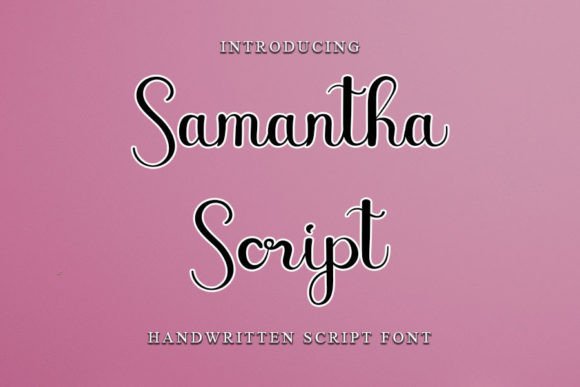
At its core, Samantha Script is classified as a friendly handwritten font. However, this general classification often obscures the nuances that separate one script from another. What distinguishes Samantha Script is its successful marriage of classy calligraphic influences with a modern sensibility. Unlike rigid, formal Copperplate scripts that can feel distant or overly traditional, Samantha Script maintains a fluidity that feels personal. Conversely, unlike casual marker fonts that can appear messy or unprofessional, Samantha Script retains a polished structure.
The design philosophy behind this typeface focuses on legibility without sacrificing style. Many script fonts suffer from the "wedding invitation" effect—beautiful at large sizes but illegible when scaled down for body text or complex layouts. Samantha Script, by contrast, prioritizes the flow of the letterforms. The connections between letters are intuitive, and the spacing is balanced to ensure that words hold together visually. This makes it a versatile option for designers who want a handwritten look that doesn't compromise on readability.
Analyzing Strengths and Tradeoffs
When evaluating any font, it is helpful to weigh its strengths against its limitations to see where it truly shines. Samantha Script offers several distinct advantages, but it also comes with inherent tradeoffs typical of the script category.
Key Strengths
- Visual Warmth and Personality: The primary draw of Samantha Script is its ability to inject warmth into a design. It feels human and authentic, making it excellent for brands that want to build a personal connection with their audience.
- Contemporary Relevance: While rooted in calligraphy, the font avoids looking dated. It fits well within modern design trends that favor organic textures and handcrafted aesthetics.
- Readability: As mentioned, the clarity of the letterforms is a significant strength. It performs better than many decorative scripts in contexts where the message must be understood quickly.
Potential Tradeoffs
- Formality Limitations: Because it is "friendly" and "contemporary," it may not be the best choice for highly formal corporate communications, legal documents, or contexts requiring a strictly traditional authority.
- Scale Sensitivity: While more legible than many alternatives, it is still a script font. At very small sizes (such as footnotes or dense technical manuals), it will inevitably lose some of its charm and readability compared to a standard sans-serif.
Comparing Categories: Script vs. Other Alternatives
When researching font options, it is useful to compare Samantha Script not just to other specific fonts, but to broader categories of typefaces. Understanding where it sits in the typographic hierarchy helps in making a strategic choice.
Samantha Script vs. Formal Calligraphy
Formal calligraphy fonts often mimic traditional dip-pen strokes with high contrast between thick and thin lines. They are ideal for luxury branding, high-end invitations, and historical contexts. Samantha Script, however, softens these high-contrast edges. If your project requires the prestige of script but feels too stiff with a formal option, Samantha Script offers a relaxed alternative that feels more accessible to a general audience.
Samantha Script vs. Casual/Marker Fonts
On the other end of the spectrum are casual fonts that look like they were written with a Sharpie or a crayon. These are playful and energetic but can sometimes lack sophistication. If a project requires a youthful vibe but still needs to look "finished" or professional—such as a boutique product label or a lifestyle blog header—Samantha Script is often a superior choice. It provides the casual energy without the roughness.
Samantha Script vs. Sans-Serif Minimalism
In modern web design, there is a strong trend toward clean, geometric sans-serifs. While these are excellent for UI and technical data, they can feel sterile. Using Samantha Script for accent text or headers alongside a clean sans-serif body text can create a pleasing contrast. This pairing allows the designer to maintain the utility of the web interface while adding a layer of emotional depth through the script headers.
Ideal Use Cases and Scenarios
Determining if Samantha Script is the right resource involves mapping its attributes to your specific needs. It is not a universal solution, but in the right context, it is highly effective.
- Branding and Identity: For small businesses, particularly in the lifestyle, beauty, food, or artisan sectors, Samantha Script can serve as a primary logotype or a secondary accent font. It communicates care, attention to detail, and a human touch.
- Editorial Design: In magazines or blog layouts, it works well for pull quotes or sub-headers. It breaks up the monotony of standard text fonts and draws the reader's eye to key phrases.
- Stationery and Invitations: This is a natural home for the font. Its calligraphic roots make it suitable for wedding stationery, greeting cards, and personal correspondence where elegance is required.
- Web Headers: For websites aiming for a "Pinterest-friendly" aesthetic, using Samantha Script for the main H1 or H2 tags can set a distinct mood immediately upon page load.
Decision Factors: When to Choose a Different Option
While Samantha Script is a versatile contender, there are scenarios where an alternative approach would be more practical. Acknowledging these limitations is part of a professional design workflow.
Consider an alternative if:
- Accessibility is the primary driver: If your audience includes individuals with visual impairments or dyslexia, script fonts can present barriers. In these cases, a highly legible sans-serif or even a specialized accessible font is a more responsible choice.
- The content is highly technical: For data-heavy reports, scientific papers, or user manuals, the visual noise of a script font can distract from the data. Stick to standard serifs or sans-serifs for the bulk of the content.
- You need a "Retro" or "Grunge" vibe: Samantha Script is clean and polished. If the design concept calls for distressed textures, 1970s funk, or gritty underground aesthetics, this font will likely feel too pristine and out of place.
Practical Application Tips
If you decide that Samantha Script is the right fit for your creative project, a few practical considerations can help you get the most out of the typeface.
Pairing is Key: Avoid pairing Samantha Script with other decorative fonts. The design will likely become cluttered. Instead, pair it with a neutral, geometric sans-serif or a classic serif font. The contrast between the structured companion font and the flowing script will allow Samantha Script to stand out without overwhelming the layout.
Spacing and Kerning: Handwritten fonts often require manual kerning adjustments, especially when used in logos. Ensure that the letters don't collide awkwardly. While the font is well-designed, specific letter combinations (like "ol" or "be") may need slight tweaking depending on the software you are using.
Color and Texture: Samantha Script looks best when it is allowed to breathe. High-contrast color combinations (black on white, white on dark backgrounds) work well. Additionally, overlaying the font on subtle textures—like watercolor paper or linen—can enhance its handcrafted appeal.
Conclusion: Making an Informed Choice
Ultimately, choosing a typeface like Samantha Script is about aligning the tool with the message. It is an excellent resource for those seeking to add a touch of friendly elegance and contemporary style to their designs. It bridges the gap between stiff formality and chaotic casualness, offering a balanced solution for branding, web design, and print.
By comparing it against your specific project requirements—considering factors like legibility, tone, and audience—you can determine if its unique blend of calligraphic tradition and modern freshness makes it the standout choice for your next creative endeavor.