Magnolia Font: Elegance for Every Creative Project
Finding the right typeface can feel like searching for a missing piece. You have the layout, the colors, the message, but something is off. The font you choose is more than just letters; it sets the tone, whispers a promise, and guides the viewer's eye. This is where a script font like Magnolia enters the conversation. It's not just another decorative typeface; it's a tool for adding a specific kind of grace and intentionality to your work.
Understanding the Craft Behind Magnolia
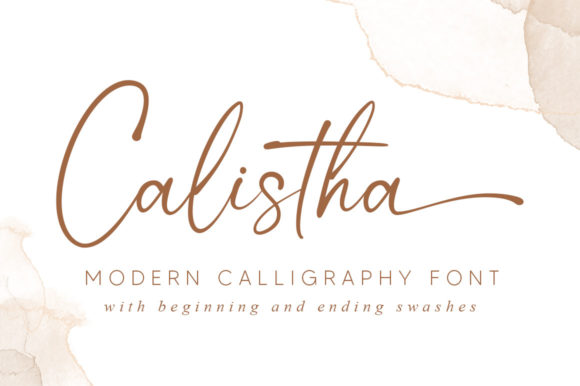
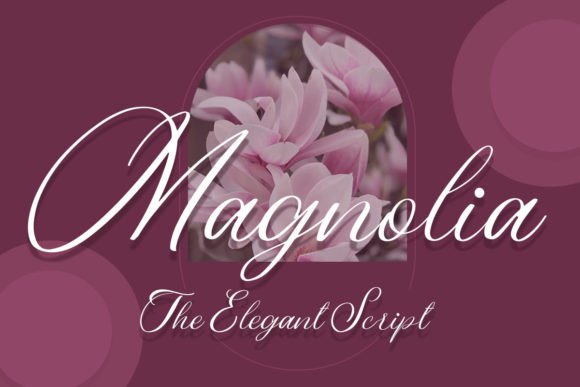
At its core, Magnolia is a script font characterized by its elegant, flowing shape. Think of the smooth curve of a calligrapher's stroke or the gentle slope of a handwritten letter from a bygone era. This elegance is its primary appeal, offering a touch of sophistication that can elevate a simple design. However, its true utility goes beyond mere aesthetics.
A common challenge with script fonts is readability and spacing. Letters can clash, creating a jumbled, unprofessional look. This is where Magnolia's practical design shines. Its kerning—the spacing between individual characters—has been meticulously arranged. This careful adjustment ensures that each letter flows into the next with clarity and balance, making the text not only beautiful but also legible. For a designer or business owner, this pre-optimized spacing saves valuable time and prevents the frustration of manual adjustments, allowing you to focus on the broader creative vision.
Practical Applications for Diverse Creators
The versatility of a well-crafted script font is its greatest strength. Magnolia's elegant yet legible nature makes it adaptable across a wide range of projects and audiences. Here’s how different professionals can harness its potential.
For Wedding and Event Designers
This is Magnolia's most natural habitat. Its graceful curves are perfect for setting a romantic, refined tone. Use it for wedding invitations, save-the-dates, and thank you cards. It works beautifully for the couple's names and key headings, paired with a clean sans-serif for the body text to ensure all the details are easy to read. Extend this branding to day-of signage, menus, and program booklets for a cohesive and memorable event identity.
For Boutique Brands and Retailers
A strong visual identity is crucial for standing out. Magnolia can become the cornerstone of a boutique's branding, lending an air of curated elegance. Apply it to shop labels on products, hang tags, and packaging. For an online shop, use it in your logo, website headers, or promotional banners to create a consistent and sophisticated customer experience. It suggests quality and attention to detail, which can resonate deeply with a target audience looking for something special.
For Marketers and Content Creators
Even in digital spaces, a human touch is valuable. Magnolia can add a personal, crafted feel to social media graphics, blog post headers, or email newsletter templates. Use it for a featured quote, a call-to-action button, or the title of a digital guide. When used sparingly and strategically, it breaks the monotony of standard web fonts, drawing the viewer's eye to important information without overwhelming the design. It’s about adding a moment of elegance, not decorating every single word.
For Educators and Publishers
Think beyond traditional applications. An educator designing a certificate of achievement can use Magnolia for the recipient's name to add a sense of honor and accomplishment. A publisher creating the cover for a poetry collection or a historical fiction novel might choose Magnolia for the title to evoke a specific mood that aligns with the content. It's about using the font's personality to support the narrative.
Tips for Effective and Original Use
Using a font effectively means thinking beyond the obvious. Here are some practical ways to ensure your use of Magnolia is both beautiful and functional.
- Pairing is Key: Never use a script font for large blocks of body text. The strength of Magnolia is in headlines, logos, and short, impactful phrases. Pair it with a highly readable serif or sans-serif font for paragraphs. A classic combination might be Magnolia for the title and a font like Lato or Open Sans for the descriptive text.
- Consider the Context: Adjust the font's size and color to suit the medium. A large, bold version might work for a poster, while a more delicate, smaller application is better for a business card. Ensure there is sufficient contrast against the background for easy reading.
- Explore Alternates and Ligatures: Quality script fonts often include alternate characters and ligatures (special character pairs like 'th' or 'fl' that are joined). These features allow you to customize the look, avoid repetitive letter shapes, and create a more authentic, handwritten feel. Check the font's character map to see what options are available.
- Maintain Consistency: If you choose Magnolia for your brand, use it consistently across all touchpoints. This builds recognition and reinforces your brand's identity, whether it's on a physical label or a social media profile.
- Embrace White Space: Elegant fonts need room to breathe. Don't crowd Magnolia with other design elements. Allow ample white space around it to let its graceful lines become a focal point.
Bringing Your Vision to Life
Ultimately, a font like Magnolia is a starting point. It provides a specific voice—one of elegance, care, and sophistication. Your role as a creator is to decide how that voice contributes to your larger story. Whether you are designing a heartfelt wedding suite, building a brand for a artisanal shop, or crafting a compelling social media post, the goal is to use the font with intention.
Start by identifying the emotion or message you want to convey. Then, test Magnolia in your layout. Does it support your message? Does it enhance readability or hinder it? Does it feel authentic to the project? By asking these practical questions, you move from simply using a font to making a deliberate design choice. This mindful approach ensures your work remains clear, effective, and connected to your audience, transforming a beautiful typeface into a powerful tool for communication.