Second Block: The Strategic Power of a Bold Slab Serif in Modern Branding
In the crowded landscape of digital and print media, the choice of typeface is a foundational strategic decision, not merely an aesthetic one. Second Block is a bold slab serif typeface that offers a specific set of advantages for creators, entrepreneurs, and decision-makers. Inspired by classic Americana, vintage signage, and rugged western print, it provides a visual language that communicates strength, clarity, and a touch of rebellious charm. Understanding its characteristics and applying it with intention can significantly impact how your message is received and remembered.
The Anatomy of Impact: What Defines Second Block?
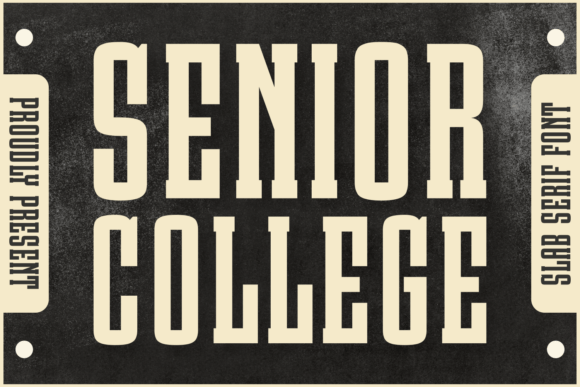
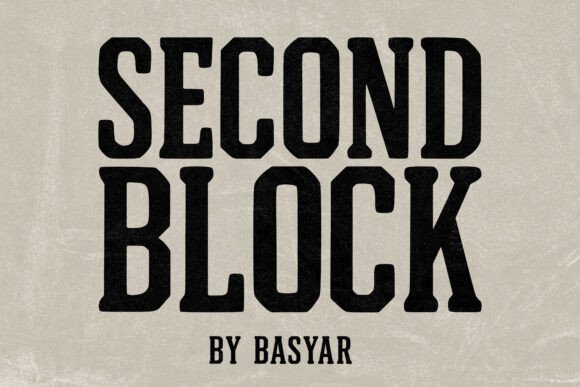
Second Block is characterized by its strong vertical strokes, wide-set shoulders, and clean, blocky serifs. This design creates a visual rhythm that is both assertive and highly legible. Its tall, narrow build allows for space-efficient headlines, making it an excellent choice for layouts where impact per square inch is crucial. The uniform weight across characters ensures consistency, whether the font is used at a large scale on a poster or at a smaller size in a logo. This consistency translates to a tone of confidence and reliability, qualities that resonate across diverse audiences from professionals to hobbyists.
Strategic Alignment: When to Choose a Typeface Like Second Block
Choosing Second Block is a strategic move aligned with specific communication goals. It excels in contexts where you need to convey:
- Authority and Tradition: For brands rooted in craftsmanship, heritage, or established industries, its vintage-inspired design suggests experience and durability.
- Directness and Clarity: The clean slab serifs and strong strokes make text exceptionally easy to read, reducing cognitive load for the viewer and ensuring your core message isn't lost in typographic complexity.
- Modern Grit and Character: It bridges the gap between classic and contemporary, offering a polished yet rugged feel. This is ideal for brands that want to appear approachable yet strong, innovative yet grounded.
Practically, this makes Second Block a strong candidate for headlines in editorial design, logo marks for startups seeking a solid identity, packaging for artisanal goods, or apparel branding that aims for a timeless, non-trendy appeal. Its ability to deliver "space-efficient impact" is a key operational advantage, allowing for bold statements in limited design real estate.
From Aesthetics to Outcomes: Practical Application and Planning
Integrating Second Block effectively requires moving beyond personal taste to consider audience perception and project objectives. Start by defining the tone you wish to set. Is your project aiming for nostalgic appeal, rugged individualism, or straightforward professionalism? Second Block can serve all three, but the surrounding design elements—color palette, imagery, and supporting typography—must work in concert to refine the specific nuance.
Pairing and Context: Building a Cohesive Visual System
A typeface does not exist in a vacuum. To maximize the strategic value of Second Block, consider its pairing with complementary fonts. A clean, geometric sans-serif can provide a modern counterpoint, creating a dynamic hierarchy that guides the viewer's eye. Conversely, pairing it with a simple serif can reinforce a traditional, authoritative feel. The goal is to create a visual system where Second Block commands attention for key messages while supporting text remains unobtrusive and highly readable.
For example, in a poster for a local rodeo or a vintage market, Second Block could be the headline font, immediately setting the thematic tone. In a corporate presentation for a company with a pioneering history, it could be used for section titles to subtly reinforce core values of strength and clarity without being overly casual.
Avoiding Pitfalls: The Risks of Random Application
Any powerful tool can be misused. Applying Second Block without clear intentionality can lead to several strategic missteps. Its bold, distinctive character can overwhelm delicate or minimalist designs. Using it for long blocks of body text, despite its legibility at size, would be visually fatiguing and counterproductive, as its strength is in display settings.
Furthermore, its aesthetic carries strong cultural connotations. If misaligned with your brand's core identity—for instance, using it for a luxury fintech app without careful consideration—it can create cognitive dissonance for the audience. The font's "rebellious charm" must be channeled correctly; it should enhance your positioning, not contradict it. Always ask: does this typographic choice support our strategic narrative and the expectations of our target audience?
Long-Term Value: Building Recognition and Consistency
When used consistently as part of a broader brand system, Second Block can become a powerful asset for recognition. Its unique silhouette—tall, narrow, and solid—is highly memorable. Over time, this consistent visual signature can build brand equity, making your communications instantly identifiable even before the content is fully absorbed. This is the hallmark of effective branding: the typeface itself begins to tell part of your story.
For entrepreneurs and small business owners, this consistency is a force multiplier. It streamlines design decisions, ensures coherence across touchpoints from business cards to social media headers, and projects a professional, unified image. The "modern polish" inherent in Second Block's design ensures that this consistency doesn't come at the cost of appearing outdated, but rather timelessly relevant.
A Framework for Decision-Making
Before committing to Second Block, run it through this practical filter:
- Goal Alignment: Does our primary communication goal involve conveying strength, clarity, heritage, or bold character?
- Audience Resonance: Will our target audience (aged 20-50, including professionals and creators) perceive this tone as authentic and trustworthy?
- Contextual Fit: Is the application primarily for headlines, logos, or short, impactful text where its display strengths shine?
- System Cohesion: Can we pair it with complementary fonts and design elements to create a balanced, functional visual hierarchy?
If the answers are affirmative, Second Block is likely a strategically sound choice. Its design is not just about looking a certain way; it's about communicating specific values efficiently. By approaching its use with the same rigor you apply to business planning or content strategy, you transform a typographic selection from a random preference into a deliberate lever for better results, clearer communication, and a more resonant brand identity.