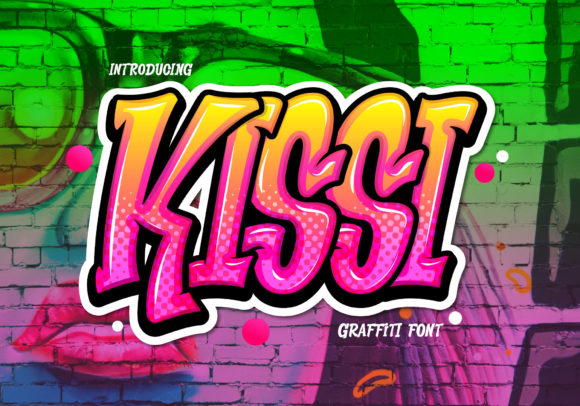
Kissi: Unleashing Urban Edge in Modern Design
In the crowded landscape of digital typography, finding a typeface that genuinely captures a specific mood can be a challenge. Many designers seek a font that breaks away from the sterile perfection of corporate sans-serifs or the rigidity of traditional serifs. This is where Kissi enters the conversation. It is not merely a collection of letters; it is a bold, graffiti-style display font designed to inject an immediate sense of energy, rebellion, and street culture into visual projects. If your goal is to communicate raw power, youthful energy, or a counter-culture aesthetic, Kissi provides the typographic backbone necessary to achieve that vision.
The Challenge of Capturing Authentic Street Style
For many creatives, the struggle lies in authenticity. When designing for brands that want to appeal to a younger demographic or those immersed in urban culture, using standard fonts often results in a disconnect. The design feels "corporate" trying too hard to be "cool," which can alienate the target audience. The challenge is finding a typeface that has the organic, imperfect, and energetic flow of actual street art without sacrificing legibility. Designers need a font that bridges the gap between the raw aesthetic of a spray can and the technical requirements of digital and print media.
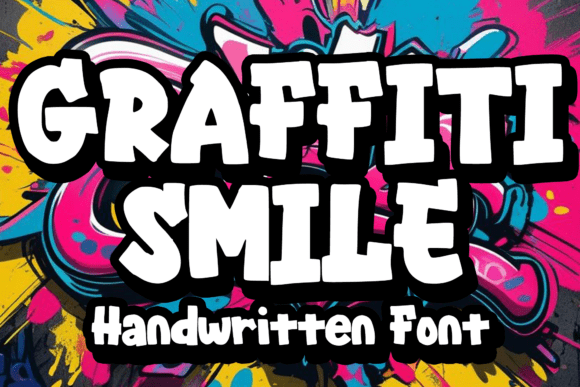
Kissi addresses this specific need. It is engineered to embody an impressive street art vibe, mimicking the fluidity and weight of graffiti lettering. By utilizing Kissi, designers can bypass the need to manually create complex hand-lettering, saving time while still maintaining that handcrafted look. It solves the problem of visual monotony, offering a solution for projects that demand attention and refuse to blend into the background.
Practical Applications and Design Scenarios
Understanding the utility of a font like Kissi requires looking at specific industries and products where its characteristics shine brightest. Because it is a display font, it is best used for headlines, logos, and short bursts of text rather than long-form body copy. Here is how Kissi can be effectively implemented across various mediums:
Apparel and Fashion
The most natural home for a graffiti-style font is in the fashion industry. Kissi is exceptionally well-suited for t-shirt designs, hoodies, and streetwear collections. In this context, the font does the heavy lifting of the design. A simple wordmark using Kissi in a contrasting color against a plain background can create a striking, saleable product. For sportswear, the aggressive angles and dynamic flow of Kissi convey motion and intensity, making it ideal for gym wear, skateboarding brands, or athletic team logos.
Branding and Marketing
Startups targeting a niche, urban market often struggle with establishing a brand identity that feels distinct. Kissi offers a pathway to immediate brand recognition. It is perfect for logos that need to be memorable and edgy. Furthermore, in advertising—whether for a music festival, a nightclub, or a street food event—Kissi helps set the tone instantly. Using this font on posters or digital ads ensures that the message is loud and clear, capturing the fleeting attention of passersby.
Digital Content
In the realm of social media and content creation, visual distinctiveness is currency. Creators looking to establish a specific aesthetic on platforms like Instagram or YouTube can use Kissi for thumbnails, story overlays, and channel art. The font's distinct personality helps in building a cohesive visual brand that subscribers and followers can recognize instantly in a crowded feed.
Tailoring the Approach for Different Users
While Kissi is a specific tool, different professionals will approach it with distinct goals and methodologies. A graphic designer, a small business owner, and a content creator will all leverage the font differently to suit their needs.
The Professional Designer
For the experienced graphic designer, Kissi is a component in a larger toolkit. They will likely use the font to create contrast. For example, pairing the bold, chaotic energy of Kissi with a clean, minimalist sans-serif can create a sophisticated "high-low" aesthetic. They might manipulate the kerning (letter spacing) to make the text feel tighter and more aggressive, or use the font as a massive watermark to add texture to a background without overwhelming the foreground content.
The Entrepreneur and Small Business Owner
For a small business owner launching a clothing line or a local event, the goal is often simplicity and impact. They may not have advanced design skills, so a font like Kissi is valuable because it comes "pre-styled." The owner can simply type out their brand name, and the font does the work of making it look cool. For these users, Kissi is a cost-effective way to achieve professional-looking branding without hiring an agency. They can use it for merchandise mockups, social media flyers, and menu headers.
The Content Creator
YouTubers and streamers often use typography to express personality. A gaming channel, for instance, might use Kissi to emphasize victory or defeat in video titles. The font’s graffiti style suggests a playful, perhaps rebellious attitude. These users focus on readability at small sizes (like on a mobile screen) and impact at large sizes (like a banner). Kissi’s bold weight ensures that it remains legible even when used as a quick flash on screen.
Implementation and Design Considerations
To get the most out of Kissi, it is important to follow best practices for display typography. Because the font is heavy on style and detail, using it incorrectly can lead to cluttered or unreadable designs.
- Hierarchy is Key: Use Kissi for your primary headers (H1) or logos. Do not use it for body text. The intricate, graffiti-style details will become a visual mess if shrunk down to 12pt font size for paragraphs. Pair it with a simple, neutral font for the supporting text.
- Color and Contrast: Kissi works best with high contrast. A white Kissi font on a black background creates a classic street art look. However, neon colors against dark grays can evoke a cyberpunk or nightlife vibe. Ensure the background does not compete with the texture of the font.
- Spacing: Graffiti letters often touch or overlap. In digital design, you may need to adjust the tracking (space between letters) to ensure legibility. If the letters are too close, the word becomes a blob. If they are too far apart, the flow of the "tag" style is lost.
- Context Matters: While Kissi is versatile, it has a strong personality. It is perfect for a skate park logo but might feel out of place for a law firm or a medical brochure. Always ensure the font matches the brand voice of the project.
The Outcome: Standing Out in a Saturated Market
The ultimate goal of using a specialized font like Kissi is differentiation. In a market where consumers are bombarded with thousands of visual messages daily, a unique typeface can be the hook that draws them in. By implementing Kissi, designers and creators move away from generic templates and toward custom-feeling art.
Whether you are designing a line of streetwear, branding a new urban music venue, or creating dynamic content for a digital audience, Kissi offers the tools to express a bold identity. It bridges the gap between the raw energy of street art and the precision of digital design, allowing users to create work that is not only seen but felt. By focusing on the appropriate applications and pairing it with complementary design elements, you can utilize Kissi to transform a standard project into something that resonates with modern, urban culture.