Phantom Graffiti: Evaluating a Bold Street Style Typeface for Impactful Design
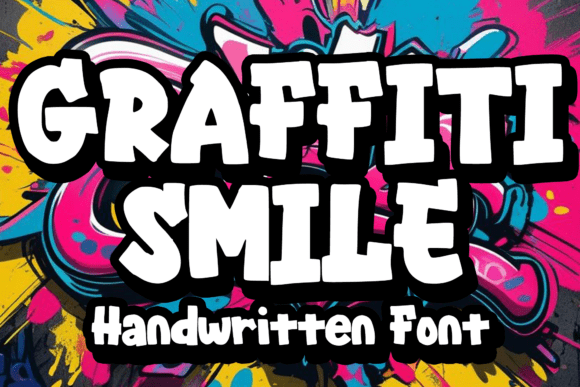
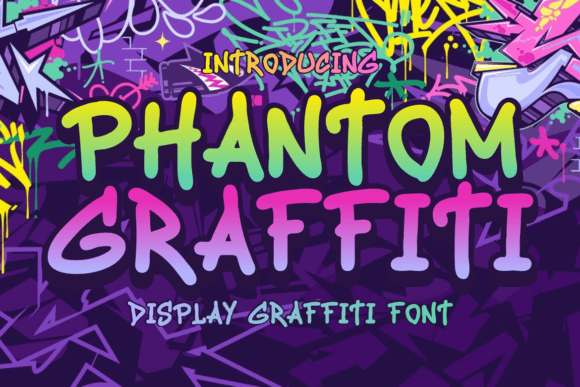
When the goal is to capture raw energy, urban culture, or a rebellious spirit in a design, standard corporate typefaces often fall short. This is where specialized display fonts like Phantom Graffiti enter the conversation. It is a hand-brushed graffiti typeface characterized by thick monoline strokes, exaggerated curves, and an irregular structure that mimics authentic spray-painted tags. For designers exploring typography that demands attention, understanding the specific strengths and limitations of a font like Phantom Graffiti is essential for making an informed decision.
Defining the Aesthetic: What Phantom Graffiti Offers
Phantom Graffiti is designed with a specific visual language: the thick, energetic brush strokes of street art. Unlike more formal or historical typefaces, its "personality" is built on irregularity. The letters are not perfectly uniform; they are chunky, playful, and slightly chaotic, reflecting the organic imperfections of hand-painting on rough surfaces like brick walls or concrete skateparks.
This style is often described as having a "youthful confidence." It works exceptionally well when paired with vibrant design elements. For instance, applying neon gradients, bold outlines, or textured ink effects to Phantom Graffiti can amplify its impact. The font is intended to be the visual anchor of a project, providing an immediate sense of motion and attitude.
Core Characteristics of the Typeface
- Stroke Style: Thick and monoline, ensuring high visibility even at smaller sizes or from a distance.
- Character Shape: Exaggerated curves and irregular baselines that prevent the text from looking sterile or digital.
- Character Set: Typically includes uppercase letters, numerals, and essential punctuation. It is often a case-sensitive font, meaning the lowercase keys may produce different stylistic variations rather than traditional lowercase letters.
- Intended Feel: Street culture, hip-hop, skateboarding, and "edgy" or rebellious branding.
Comparing Phantom Graffiti to Other Display Font Categories
When researching typefaces, it is helpful to compare Phantom Graffiti against other categories of display fonts to see where it fits best. The choice often depends on the specific "flavor" of urban or expressive style you need.
Graffiti vs. Streetwear Sans-Serifs
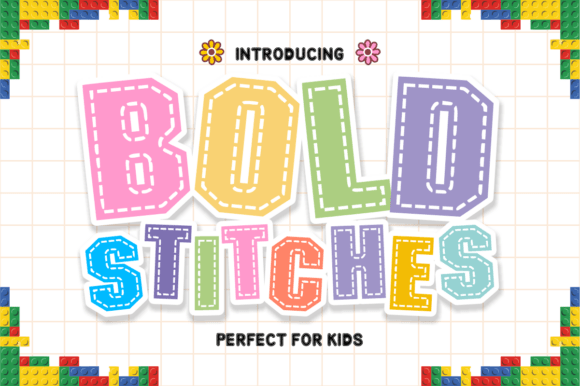
Many modern streetwear brands utilize bold, geometric sans-serif fonts. These fonts convey a sense of modern minimalism and high-fashion status. They are clean, legible, and versatile for both digital and print applications like apparel labels or website headers.
Phantom Graffiti, by contrast, trades that minimalism for explicit texture and movement. If a sans-serif feels like a luxury brand's logo, Phantom Graffiti feels like the mural on the side of the building. It is less about understated elegance and more about loud, unapologetic presence. Choose a clean sans-serif for broad appeal and legibility; choose Phantom Graffiti when the brand identity is specifically tied to street art, music, or counter-culture.
Graffiti vs. Retro or Psychedelic Lettering
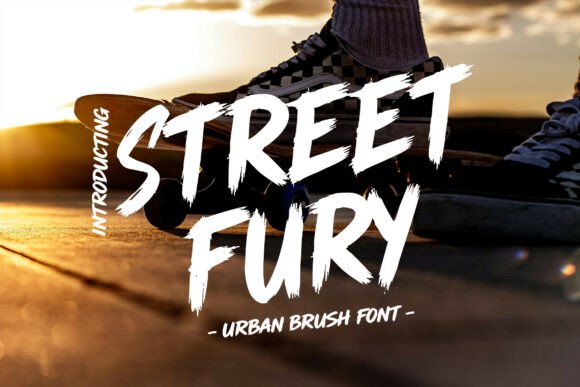
There are many fonts that mimic hand-lettering from the 1960s and 70s, featuring flowing, organic shapes. While these share a "hand-brushed" quality with Phantom Graffiti, the context is entirely different. Retro fonts evoke nostalgia, vintage rock posters, or artisanal products.
Phantom Graffiti is distinctly contemporary and urban. Its strokes are bolder and more aggressive than the flowing lines of psychedelic fonts. It is designed for the visual language of the city, not the concert posters of the past. When evaluating options, consider the historical context you want to evoke.
Practical Applications: Where Phantom Graffiti Fits Best
The utility of a font like Phantom Graffiti is best understood through its practical applications. Because it is a display font, it is not designed for long-form reading. Its role is to grab attention in short bursts.
Ideal Use Cases
- Event Promotion: Flyers for hip-hop concerts, skateboarding competitions, or underground art shows benefit from the font's high-energy vibe.
- Merchandise and Apparel: T-shirts, hoodies, and caps targeting a youth demographic often use graffiti typography to signal authenticity and cultural relevance.
- Logo Design: For brands in the music industry, streetwear, or extreme sports, Phantom Graffiti can serve as the basis for a logotype that needs to stand out in a crowded market.
- Album Art and Packaging: Music covers, particularly for rap, punk, or electronic genres, frequently utilize this style to visually communicate the sound of the album.
Situations Requiring a Different Approach
While Phantom Graffiti is effective for the uses above, it is not a universal solution. There are clear scenarios where an alternative would be more appropriate:
- Long-Form Text: The irregular baselines and heavy strokes make extended reading difficult. For body copy in brochures or websites, a legible serif or sans-serif is necessary.
- Formal Contexts: Corporate reports, legal documents, or luxury branding that relies on heritage and tradition would clash with the rebellious tone of graffiti typography.
- Accessibility Needs: Highly stylized fonts can sometimes present challenges for readers with dyslexia or visual impairments. In user interfaces or public signage, clarity must take precedence over style.
Evaluating the Tradeoffs and Limitations
No typeface is without its compromises. When deciding whether to use Phantom Graffiti, it is important to weigh its stylistic benefits against potential functional limitations.
The Challenge of Legibility
The very features that give Phantom Graffiti its character—irregular shapes, exaggerated curves, and connected strokes—can sometimes reduce legibility, particularly at small sizes or on low-resolution screens. For example, distinguishing between certain uppercase letters might require a second glance.
Decision Factor: If the primary goal is instant readability from a distance (like on a highway billboard), a bolder, more geometric font might be safer. If the goal is to create a specific mood and the text is large enough to be read easily, the tradeoff is often acceptable.
File Formats and Versatility
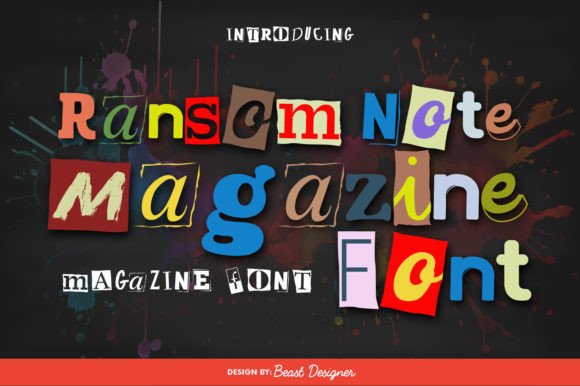
Phantom Graffiti is typically provided in standard formats (OTF, TTF, WOFF) suitable for both print and digital use. However, because it is a display font, it usually lacks the extensive character sets found in text families (like small caps, extensive language support, or multiple weights).
For a project requiring international language support or complex typographic features, you may need to pair Phantom Graffiti with a more robust typeface for secondary text elements.
Making the Final Decision
Choosing Phantom Graffiti comes down to alignment between the font's personality and the project's message. It is a specialized tool designed for a specific job: bringing vibrant motion and urban attitude to a design.
Ask yourself these questions during your evaluation:
- What is the core message? If the message is about rebellion, energy, youth culture, or street authenticity, Phantom Graffiti is a strong candidate.
- Who is the audience? It resonates strongly with demographics immersed in skate, hip-hop, or street art culture. It may feel out of place for audiences expecting traditional or conservative communication.
- How will it be used? It excels in headlines, logos, and short bursts of text. It should be supported by a highly legible font for any necessary details.
In summary, Phantom Graffiti is not just a collection of letters; it is a stylistic statement. It offers a direct, hand-brushed alternative to more polished digital fonts. By understanding its strengths in conveying raw energy and its limitations in formal legibility, you can determine if it is the right resource to bring your creative vision to life. For projects that dare to be loud and unapologetically bold, it provides a powerful and authentic voice.