Understanding the Ransom Note Magazine Aesthetic and Typeface
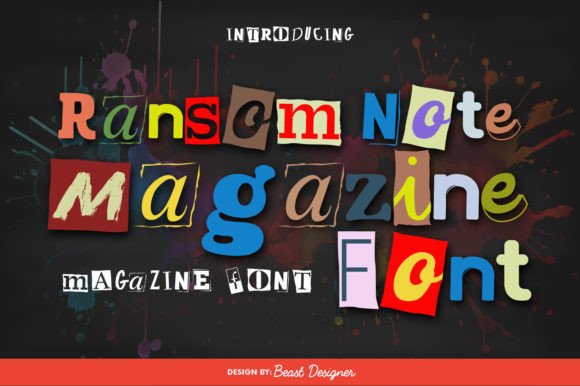
The Ransom Note Magazine aesthetic is one of the most recognizable and evocative styles in graphic design. It conjures images of suspense, rebellion, and a raw, handmade quality that stands in stark contrast to the polished, digital world. At the heart of this style is the Ransom Note Magazine Font, a distinctive typeface that mimics the look of letters cut from magazines, newspapers, and other printed materials. This font is not merely a collection of characters; it is a design tool that brings a specific narrative and emotional weight to any project. Its chaotic mix of varied letter shapes, sizes, fonts, and textures creates an edgy, vintage, and unconventional aesthetic that can be both captivating and challenging to wield effectively.
What Defines the Ransom Note Magazine Style?
At its core, the Ransom Note Magazine style is about deconstruction and reassembly. It takes the familiar building blocks of language—letters—and strips them of their uniformity. Each character in a true ransom note font appears to be sourced from a different headline, advertisement, or body of text. This results in a jarring yet cohesive visual effect. The style is inherently analog, suggesting a tactile process of cutting with scissors and pasting with glue. This handmade quality is a significant part of its appeal, offering a human touch in an age of seamless digital perfection. The aesthetic is deeply tied to cultural touchstones of mystery, crime, and counterculture, making it a powerful tool for storytelling through design.
Why Might a Designer Choose the Ransom Note Magazine Font?
A designer or creator might be drawn to this typeface for several strategic reasons, each tied to the specific goals of a project.
- To Evoke a Specific Mood: The primary reason is emotional. The font instantly communicates intrigue, urgency, and a touch of the clandestine. It is perfect for projects that need to feel mysterious, rebellious, or slightly dangerous. Think of event posters for underground music gigs, film noir-inspired graphics, or marketing for a thriller novel.
- To Create Visual Disruption: In a landscape of clean sans-serifs and elegant serifs, the ransom note font is a deliberate disruption. It grabs attention precisely because it breaks the visual rules. This makes it effective for headlines, logos, or call-to-action elements where standing out is the primary objective.
- To Achieve a Vintage or Gritty Texture: The style naturally lends itself to projects aiming for a retro, DIY, or grunge aesthetic. It can add a layer of authentic texture and history to a design, making it feel less sterile and more lived-in. This is valuable for brands or artists cultivating a raw, unfiltered identity.
- To Signal Non-Conformity: Using this font is a statement. It aligns a project with themes of individuality, anti-establishment thinking, or creative rule-breaking. For a brand wanting to position itself as an outsider or a challenger, the aesthetic can be a perfect visual shorthand.
Evaluating the Benefits and Tradeoffs
Integrating the Ransom Note Magazine aesthetic into a project comes with distinct advantages and important considerations that require careful evaluation.
Key Benefits
- High Memorability: Its unique appearance makes designs instantly recognizable and memorable.
- Strong Narrative Impulse: The font does not just display words; it tells a story, immediately setting a scene and tone for the viewer.
- Versatility in Theme: While often associated with crime, it can be adapted for vintage projects, punk rock aesthetics, or even playful, collage-style children's designs (depending on the color palette and accompanying elements).
Important Tradeoffs and Considerations
- Readability Challenges: The primary tradeoff is legibility. The varied forms can make extended text difficult to read, especially at small sizes. It is best reserved for headlines, short phrases, or display text rather than body copy.
- Niche Appeal: The style is not universally appropriate. It can feel out of place in contexts that demand professionalism, trust, and clarity, such as corporate communications, legal documents, or medical information.
- Risk of Cliché: Because the aesthetic is so strongly tied to specific tropes (the ransom note), overuse or uninspired application can make a design feel derivative or predictable. Success lies in thoughtful execution and pairing with complementary design elements.
Practical Scenarios: When is it a Strong Fit?
Determining if the ransom note style aligns with your project involves assessing the context, audience, and message.
It may be an excellent choice for:
- Event Promotions: Concert posters, festival branding, or mystery-themed party invitations where energy and intrigue are key.
- Editorial and Publication Design: Magazine features on true crime, counterculture history, or rebellious artists. Book covers for thrillers, mysteries, or punk memoirs.
- Brand Identity for Niche Markets: Logos or packaging for independent record labels, vintage clothing stores, craft breweries with an edgy brand persona, or DIY craft kits.
- Artistic and Personal Projects: Zines, album art, personal blogs, or social media graphics for creators with a distinct, non-mainstream aesthetic.
When to Consider Alternatives
While powerful, the Ransom Note Magazine Font is not a one-size-fits-all solution. Alternatives should be considered in the following situations:
- When Clarity is Paramount: For user interfaces, instructional manuals, wayfinding signage, or any text where immediate comprehension is critical, a clean, highly legible sans-serif or serif font is indispensable.
- For a Modern, Minimalist Aesthetic: If the goal is sleek, contemporary, and sophisticated, the chaotic texture of a ransom note font will directly conflict with that vision. Geometric sans-serifs or elegant serifs would be more appropriate.
- In Formal or Corporate Contexts: Presentations, annual reports, and official correspondence require a tone of stability and professionalism that this aesthetic undermines.
- If the Target Audience is Broad and Conservative: For products or services aimed at a general, mainstream audience, the unconventional style might confuse or alienate rather than attract.
Making the Decision: A Practical Guide
To determine if the Ransom Note Magazine aesthetic is right for you, ask these questions:
- What is the core emotion or story I need to convey? If the answer involves mystery, rebellion, vintage charm, or DIY spirit, it is a strong candidate.
- Who is my audience? Are they likely to appreciate and understand this visual language? Does it resonate with their interests or subculture?
- What is the primary function of the text? Is it for impact (a headline) or for sustained reading (body copy)?
- How will it integrate with other design elements? The font works best when supported by a cohesive visual system—color, imagery, and layout—that reinforces its intended message. It can look chaotic and unprofessional if thrown into a design without careful consideration.
Ultimately, the Ransom Note Magazine font is a specialized tool. When used with intention and understanding of its connotations, it can produce compelling, high-impact designs that tell a story before a word is read. When misapplied, it can hinder communication and project an unintended tone. By evaluating your project's goals, audience, and context, you can make an informed decision on whether to embrace its unique, edgy charm or opt for a more conventional typographic path.